
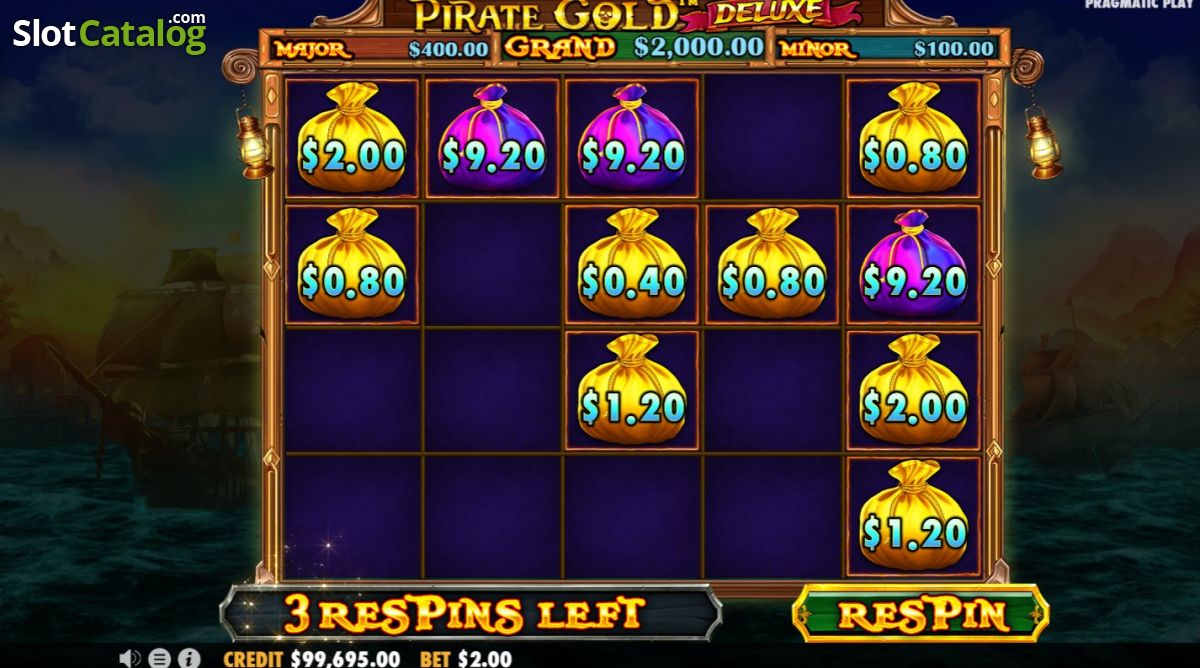
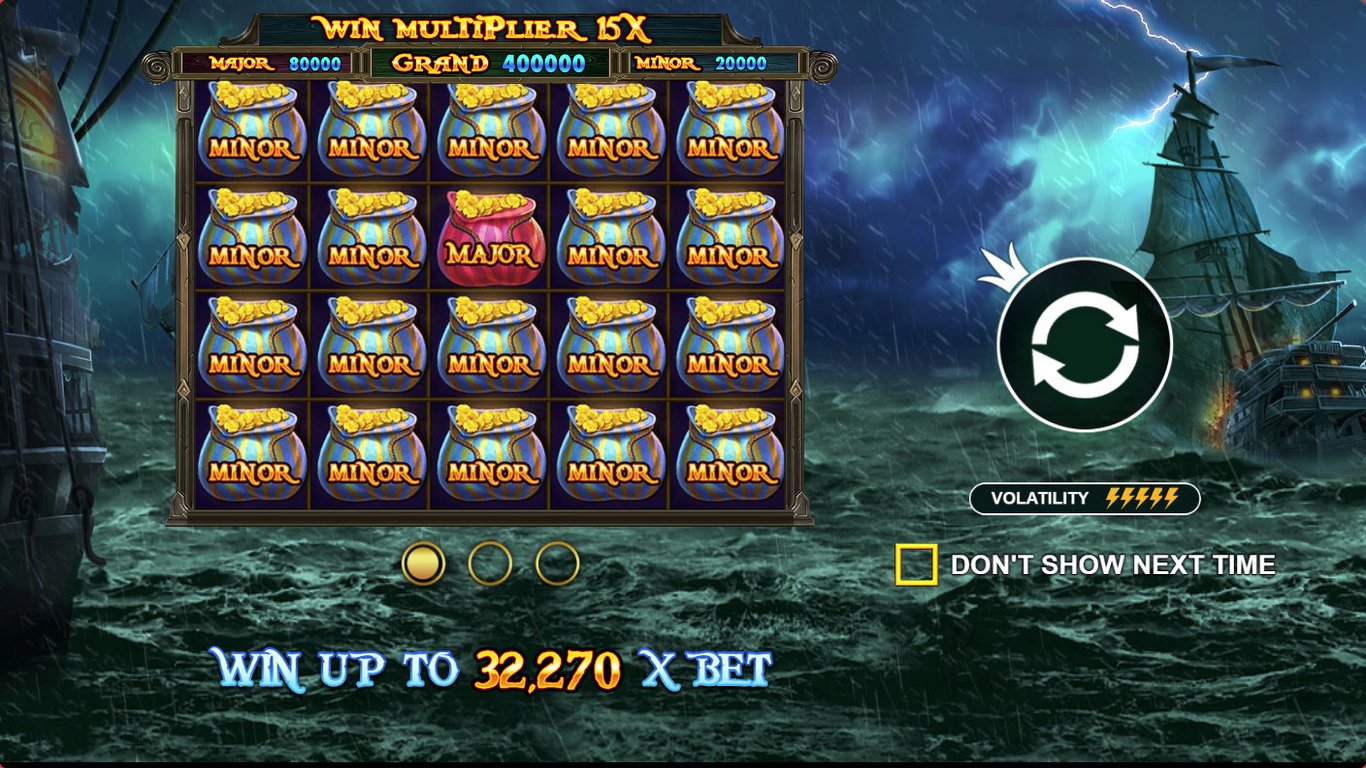
The inclusion of the Library Expansion Pirate Gold Slot to UK collections signifies a significant change in how libraries interact with their communities. This game blends traditional pirate themes with modern interactive elements, indicating a increasing trend in library entertainment. With its potential to attract varied patrons, the slot game poses questions about the future of gaming in educational spaces. What consequences does this have for community engagement and the role of libraries in promoting interactive learning? Slot Pirate Gold
Overview of Library Expansion Pirate Gold Slot
In the world of online gaming, few titles captivate players quite like the Library Expansion Pirate Gold Slot. This innovative game blends classic pirate themes with contemporary slot mechanics, grabbing the attention of both casual players and experienced veterans. The slot boasts breathtaking graphics, immersive sounds, and a backdrop that transports players to a treasure-laden library filled with secrets. Its unique library expansion mechanic not only enhances gameplay but also boosts the potential for substantial wins, making it appealing to those seeking strategic mastery. With multiple paylines and bonus features, players can employ various betting strategies to enhance their experience. Library Expansion Pirate Gold Slot represents a intriguing fusion of storytelling and gaming, providing hours of mesmerizing entertainment for its audience.
The Rise of Interactive Gaming in Libraries
Although many might associate libraries purely with books and quiet study spaces, an exciting trend has arisen: the incorporation of interactive gaming experiences. Libraries are now adopting gaming to draw diverse audiences and improve engagement. By incorporating video games, simulations, and even tabletop games, these institutions create vibrant community hubs where learning and entertainment converge.
Additionally, interactive gaming encourages collaboration, analytical thinking, and problem-solving capabilities—qualities fundamental in today’s rapidly changing world. Many libraries also use technology to organize tournaments and workshops, further enhancing their programming. As this trend evolves, it’s clear that interactive gaming not only alters library spaces but also reshapes their role in advancing lifelong learning and innovation within communities, making libraries lively centers of knowledge and interaction.
Features of the Pirate Gold Slot Game
Pirate Gold Slot distinguishes itself with its captivating blend of exciting features that boost the gaming experience. At the core of its charm lies the breathtaking graphics and captivating audio, taking players to a world filled with treasure and adventure. The game boasts a variety of symbols including wilds and scatters, which initiate lucrative bonuses and multipliers. A particularly interesting feature is the Free Spins bonus, which can lead to substantial winnings. Additionally, the game’s one-of-a-kind Treasure Hunt mechanic allows players to gather special coins, adding to an interactive element that improves gameplay. With each spin, players navigate lively environments, making sure that every gaming session is new, captivating, and filled with promise.
Benefits of Gaming in a Library Setting
While many might connect libraries with silent study and solitary reading, these spaces are increasingly becoming lively hubs for gaming activities that present a variety of benefits. Incorporating gaming into a library setting encourages logical reasoning and strategic abilities. Gamers often enhance versatility as they move through challenges and learn to formulate swift decisions. Additionally, interactive gaming promotes teamwork; players cooperate, improving communication and social skills.
Moreover, libraries equipped with gaming resources attract a broad demographic, bridging generational gaps. This inclusion can lead to heightened foot traffic, positively impacting community engagement. By incorporating gaming, libraries not only enhance their offerings but also evolve into vibrant environments, encouraging creativity and exploration among patrons, ultimately redefining the traditional library experience.
Engaging the Community Through Gaming
Libraries can greatly enhance local involvement by hosting gaming events that attract varied community members. Not only do these events provide entertainment, but they also create engaging educational opportunities that promote learning and collaboration. By integrating gaming into their programming, libraries effectively strengthen their role as community hubs.
Boosting Local Involvement
As gaming continues to develop, many communities are discovering the potential of interactive experiences to encourage local involvement and create stronger connections among residents. The introduction of games like the Pirate Gold Slot in local libraries offers a unique avenue for engagement, inviting residents to participate in a shared activity that promotes collaboration and socialization. This type of interactive entertainment can serve as a catalyst for regular community events, such as game nights or tournaments, enhancing social cohesion. Furthermore, libraries can become hubs for creativity, allowing individuals to express themselves through gaming. By actively involving residents in these experiences, communities can cultivate a sense of pride and ownership, ultimately altering local spaces into lively, inclusive environments centered around shared passions.
Fun Educational Opportunities
Interactive game experiences, like the Pirate Gold Slot, not only encourage community bonding but also provide fun educational opportunities for inhabitants of all ages. By combining entertainment and learning, libraries can enhance critical thinking skills and financial literacy through gameplay mechanics that require strategy and risk assessment. Players engage with historical narratives woven into the game’s design, igniting interest in pirate lore and maritime history. Additionally, workshops can be organized around these games, offering tutorials and discussions about responsible gaming and the mathematics behind slot mechanics. This fusion of gaming and education fosters a dynamic community atmosphere, making libraries essential hubs for knowledge and culture. Through such initiatives, learning becomes an interactive adventure rather than a passive experience, appealing to diverse audiences.
How to Access the Slot Game in Libraries
While many players may associate slot games exclusively with casinos, accessing the Pirate Gold slot game in libraries has become an interesting possibility. To play, library patrons should first check their local library’s digital offerings, as many now provide online platforms featuring casino-style games. Users often need a current library card and may create an online account to access these games. Libraries typically host tutorial sessions or workshops to guide newcomers through the game mechanics, ensuring everyone starts on an even footing. Additionally, patrons can explore designated gaming areas within the library, designed for social interaction and skill improvement. Overall, integrating such games within library contexts enhances the learning and recreational setting, nurturing a unique blend of entertainment and education.
Future Trends in Library Entertainment
The integration of gaming into library offerings marks only the beginning of a broader progression in library entertainment. As libraries adapt to the changing interests of their patrons, several trends are emerging that will shape their future.
- Interactive Learning
- Virtual Reality Experiences
- Collaborative Spaces
These developments signal a change where libraries can utilize technology to attract diverse audiences, reinforcing their role as vital community resources.
Conclusion
The addition of the Library Expansion Pirate Gold Slot to UK collections marks a significant step in revolutionizing library entertainment. By merging engaging gaming with traditional library environments, it not only attracts diverse audiences but also encourages community collaboration. As libraries progress to embrace interactive elements, they position themselves as vibrant spaces for lifelong learning. Ultimately, this innovative integration signifies a promising future for libraries, enhancing their role as hubs of exploration and adventure in the digital age.